
Bernini: Biography and Work: The Life and Rise of the Baroque Master
Discover the fascinating life of Gian Lorenzo Bernini, the master of Baroque: his childhood in Naples, rise in Rome, personal challenges, and papal patronage that shaped his artistic genius.
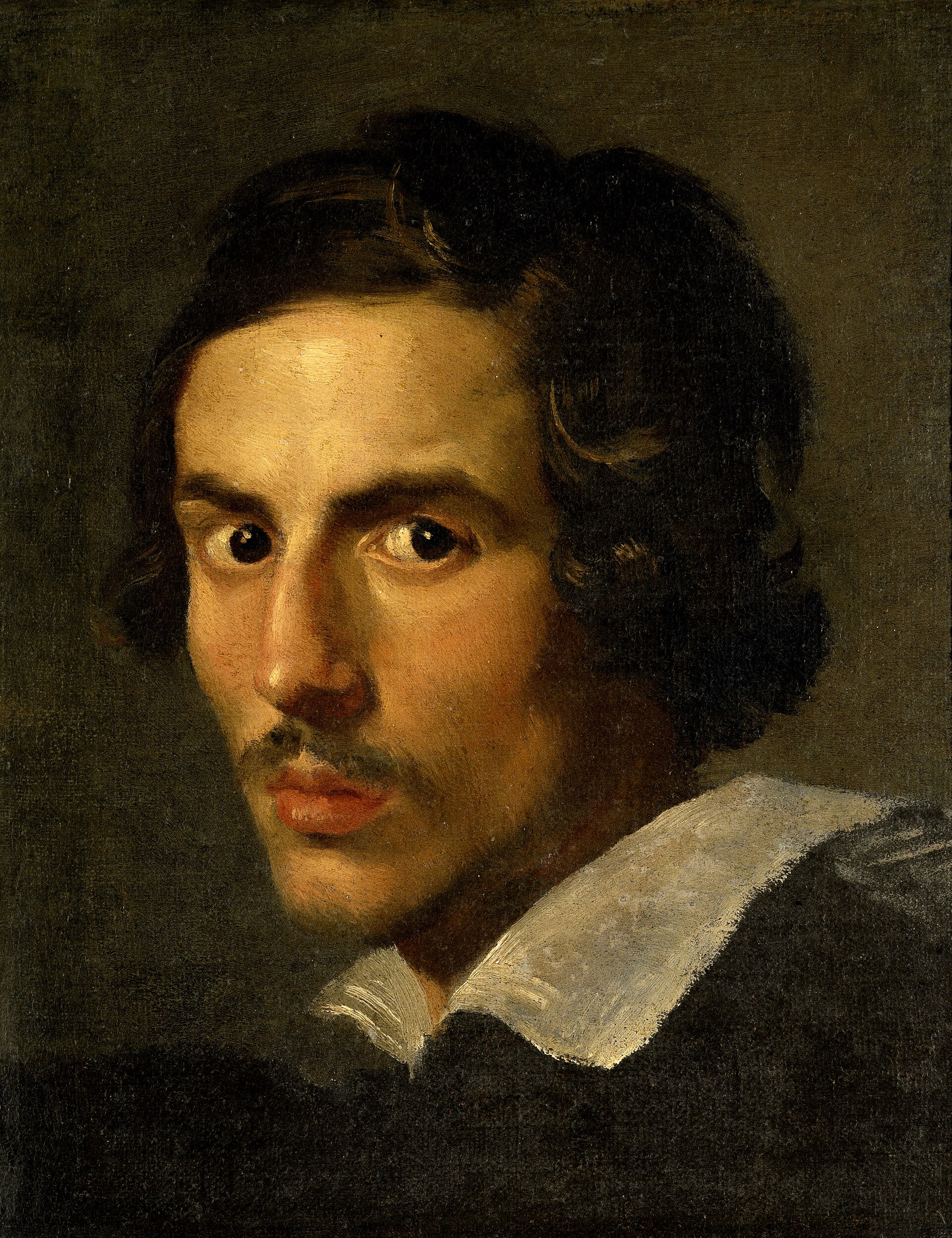
Bernini was the principal sculptor of the Baroque, also a painter and a prominent architect who forever changed the face of Rome and, alone, launched the style that would dominate Italian sculpture in the 17th century.
Gian Lorenzo Bernini was born in southern Italy, in Naples on December 7, 1598. Son of the Florentine Mannerist sculptor Pietro Bernini and his mother Angélica, also a Neapolitan.
Bernini's destiny as one of the most important artists in history was determined from the start, as his father devoted much time to teaching his son the art, instructing him in the ways of the craft and promoting the child's prodigy at every opportunity.
When he was eight years old, his father took him to Rome, then the artistic center of the Western world.
Legend has it that when the proud father managed to gather an audience with Pope Paul V, the young artist executed a rapid and flattering portrait of Saint Paul, provoking the pope's admiration.
Believing he was in the presence of the "next Michelangelo," the pope demanded that the young boy begin his formal artistic education immediately.
The pope Paul appointed the future successor Cardinal Maffeo Barberini as Bernini's guardian and educator, and the boy quickly revealed himself to be an artistic genius.
Many historians have commented on the fact that, despite all the accolades he received in his childhood, Bernini was known for his laid-back, friendly, and spirited personality, quite distinct from somber master artists like Michelangelo or Caravaggio who preceded him.
Behind his cheerful exterior, the artist also had a darker side to his personality: the young handsome and dark-haired man elevated the notion of suffering for his art to new heights when, at 15, he burned his own leg to observe the expression of pain on a face in a study while creating the sculpture of The Martyrdom of Saint Lawrence.
This trend towards the macabre would resurface later in life, with disastrous consequences for his personal and professional reputation.
By the end of his adolescence, Bernini was swept up by Cardinal Scipione Borghese, the pope's nephew and notoriously ruthless art collector.
Here the young artist was exposed to new stylistic influences, including classical antiquities.
Bernini executed some of his first masterpieces for the cardinal Borghese, including the impressive Pluto, Persephone, Apollo, and Daphne and, of course, his famous response to Michelangelo, David.
Bernini achieved widespread renown after his career was launched by the Cardinal, receiving an infinite number of coveted papal commissions from Pope Urban VIII, who appointed the artist official architect of St. Peter's in 1629, freely associating himself with princes and popes, and even becoming a knight in 1621.
Bernini literally began to take over Rome, not only with his sculptures but also with important architectural commissions and his "sideline" occupations as a painter, playwright, composer, theater designer, and caricaturist.
During these agitated and peaceful days, despite the growing pressure to marry and produce a genius artist, Bernini claimed he had neither the time nor the need for a wife and that his sculptures were his only children.
The artist's detachment from commitment would become a thing of the past when Matteo Bonarelli arrived in Rome in 1636 to work in the artist's workshop, accompanied by his wife, Constanza.
Bernini and Constanza began a torrid affair until around 1640, when he discovered that Constanza was also seeing her younger brother, Luigi.
As he only managed to break two of Luigi's ribs, he later went after the brother with a sword, forcing him to take refuge in Santa Maria Maggiore.
Meanwhile, the artist had his maid surprise Constanza at home in bed and cut her face into strips with a razor.
In the end, the assistant Bernini sent to do his dirty work was arrested for assault, Constanza was arrested for adultery and fornication, and Luigi was exiled to Bologna, but the insignificant value of 3,000 scudi of Bernini was pardoned by the pope.
The artist married and had eleven children with Caterina Tezio, a legendary Roman beauty.
This tumultuous period in Bernini's personal life coincided with a disaster in his professional life.
Pope Urban VIII commissioned the sculptor to complete a bell tower for the facade of the St. Peter's Basilica, which the sculptor designed to monumental and grandiose proportions, ultimately disastrous: the bell tower developed cracks and was feared to threaten the structural integrity of the building's facade.
Bernini's luck changed in 1647, when Cardinal Federico Cornaro commissioned a work dedicated to Saint Teresa of Ávila for his chapel in Santa Maria della Vittoria.
The resulting sculpture, The Ecstasy of Saint Teresa, is recognized by many as perhaps the greatest achievement of 17th-century sculpture.
The work was so loved in its own time that Bernini's career immediately recovered, and the artist began to receive papal and royal commissions.
Bernini gained the friendship and patronage of Queen Christina of Sweden, and King Louis XIV invited him to send projects for Versailles, which were ultimately rejected, at least in part due to Bernini's dismissive criticisms of all things French in the country.
Contemporary accounts say that when Bernini arrived in France in 1665, the sculptor was so famous that spectators lined up on both sides of the streets to catch a glimpse of the artist.
Bernini lived until the advanced age of 82 and spent the last years of his life attending masses, practicing spiritual exercises, and preparing for death.
In the last two years of his life, and after losing the use of his right arm following a stroke, the artist created his sculpture Death – a Salvator Mundi (The Salvator Mundi)
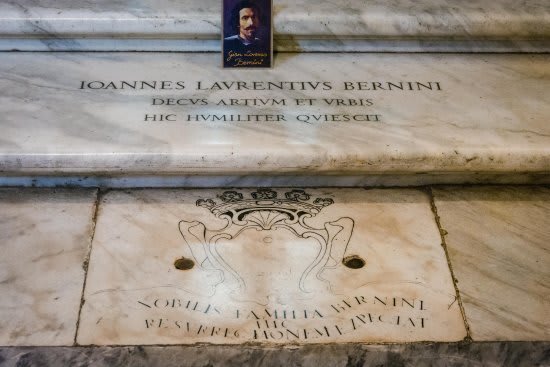
Gian Lorenzo Bernini died on November 28, 1680, in Rome. He had a grand funeral in proportion to his work. He was buried in the Santa Maria Maggiore Basilica, in Rome.
BIOGRAPHY
To understand the rest of this journey, continue to our next article: Bernini: Biography and Work: The Legacy of His Sculptures and Architecture.


