Biography of Milton Dacosta
Biography of Milton Dacosta
Article Index
Milton Dacosta was a Brazilian painter, designer, and engraver. He is considered one of the most prominent artists in modern Brazilian painting, following in the footsteps of Candido Portinari. The most important characteristic of his work was the strong influence he received from cubism, although he also went through phases of figurative art.
With a childhood marked by drawing and interest in objects, Milton Dacosta was a precocious and talented child. His love for art was encouraged from an early age, and he soon stood out as a promising young artist.
BIOGRAPHY
Milton Rodrigues da Costa was born in the city of Niterói, in the state of Rio de Janeiro, on October 19, 1915. He demonstrated from a young age a great attraction to drawing and any object within his reach.
In 1929, he began studying painting and design with the German professor Augusto Hantz and the following year, he enrolled in the free course at the National School of Fine Arts. At 16, he participated in the Founding of the Bernardelli Nucleus, coordinated by Edson Motta. This group of artists, which included José Pancetti, Bustamante Sá and Ado Malagoli, met every night, where each one was led by their imagination and worked without pre-defined techniques and methods.
In 1944, Da Costa won a prize for a trip abroad, from the modern section of the National Salon of Fine Arts. The following year, he decided to go to the United States, where he studied at the American Artists' League in New York. In the same year, he participated in the Brazilian contemporary art exhibition in Buenos Aires in La Plata.
In 1946, he settled in Paris, attended the courses at the Academy of the Grande Chaumière.
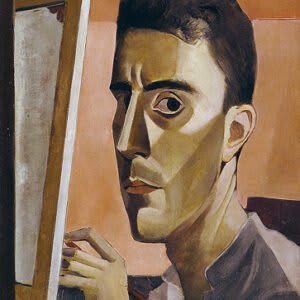
In 1949, he returned to Brazil and married the painter Maria Leontina in the city of São Paulo, where the couple settled.
From the 1950s onwards, the artist actively participated in important individual and collective exhibitions, both in Brazil and abroad. During this period, he held his first individual exhibition at the old building of the Ministry of Education of Rio de Janeiro. He was present at various editions of the São Paulo Biennial between 1951 and 1961, standing out in 1955, when he won the prize for the best Brazilian painter of that edition.
Abroad, in 1950, he participated in the XXV Venice Biennial; in 1952, in the exhibition of Brazilian artists at the May Salon in Paris; in 1955, at the Lugano Salon, in Switzerland; in 1956 and 1957, he also participated in the IX International Prize of Lissone, Milan, and the International Exhibition of the Guggenheim Museum in New York.
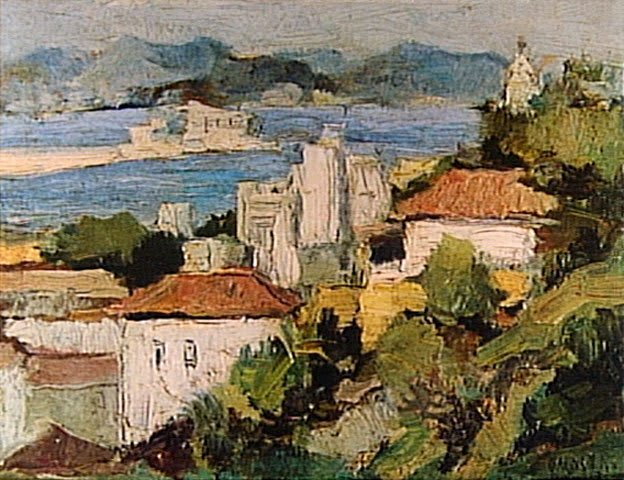
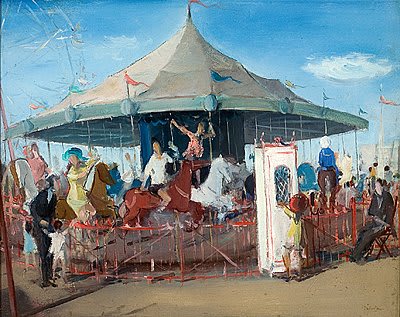
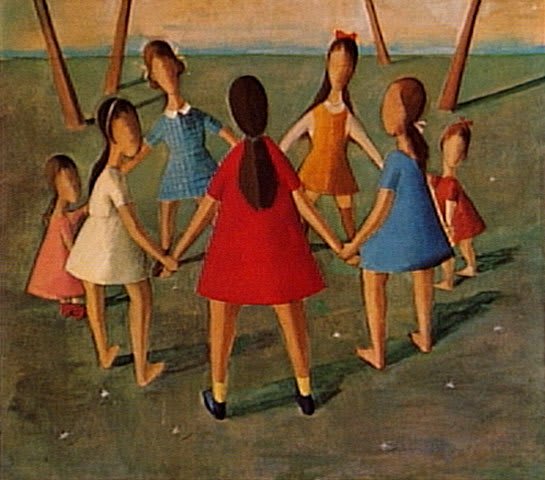
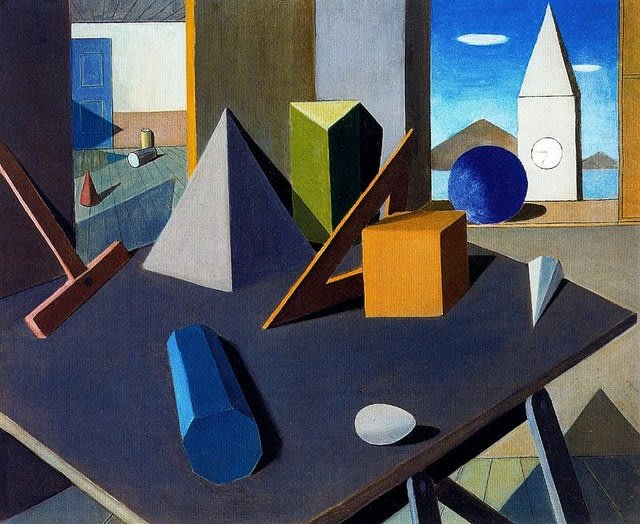
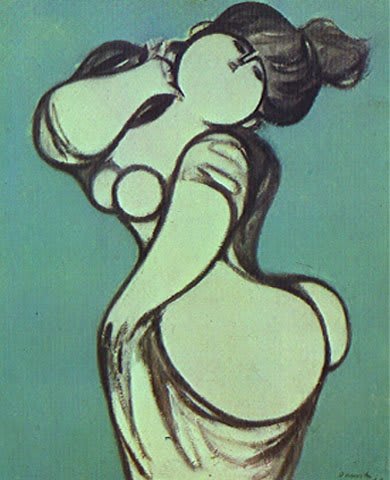
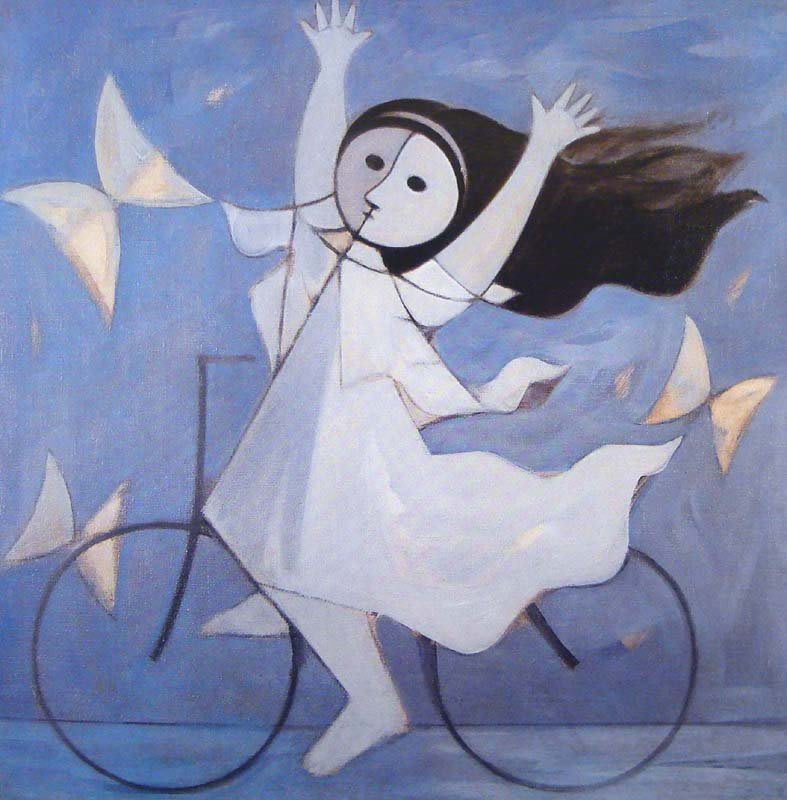
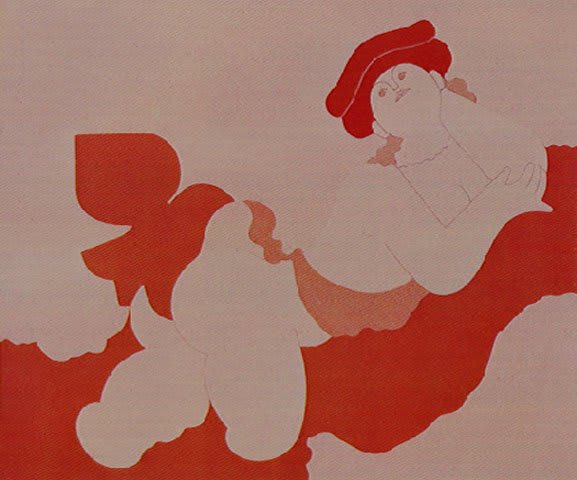
Dacosta's painting gradually evolved and matured over the years. At the beginning of his career, he was drawn to impressionism, passing through expressionism, but more for being current in his generation than for loyalty to its form of expression. In the end, the starting point of the painter was always the abstract art. In his work, especially the human figure, was geometrically stylized until the end. His painting was also influenced by cubism, which developed a personal style with simple and geometric forms, called "cubist lyricism". He painted portraits, urban themes related to consumer society, human figures, especially women or girls, in groups or alone. In his paintings, a sober and elegant style always dominated the path to color.
From 1973 onwards, the artist couple settled in Rio de Janeiro, where they lived together and shared the world of art for thirty-five years, until the death of his wife in 1984. From this union, they had a son who also became a plastic artist, Alexandre Dacosta.
Milton Dacosta died in Rio de Janeiro on September 4, 1988, at the age of 72. The artist was living an important phase of his career when he realized the series he titled Venus and the Birds.
In 1999, the Cultural Center of the Banco do Brasil in Rio de Janeiro held an exhibition in honor of the artist couple, titled "Milton Dacosta & María Leontina: A Dialogue", with a retrospective of the works of these two artists together in art and life.
GALLERY OF SOME WORKS