
Frida Kahlo: Biography and Art: Artistic Legacy, Struggles and Immortality
Explore the iconic works of Frida Kahlo, her connection to surrealism, personal struggles, amputation, death, and the immortality of her artistic legacy.
The genius dedicated his soul to painting the ceiling of the world's most famous chapel.

Surprisingly, he took more than 4 years to work in almost asphyxiating conditions.
The life of Frida and Diego was marked by intensity, both in passion and in heated fights.
They shared a commitment to the communist party, a love for the arts, and a tendency towards extramarital relationships.
Frida was bisexual, but Rivera said he didn't mind her affairs with other women; only her affairs with other men bothered him.
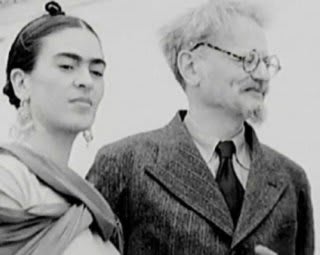
One of the most famous, but after the separation, was with the Russian revolutionary Leon Trotsky.
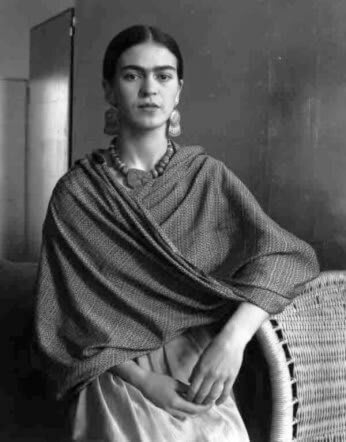
In the 30s, Frida met André Breton, the main theorist of surrealism, who was fascinated by that painter who was surreal without knowing it.
She exhibited in Paris and was considered more or less included in this aesthetic movement.
Years later, about Stalinist fever, the artist would repudiate surrealism for being this "a decadent manifestation of bourgeois art."
In 1939 Frida Kahlo leaves alone for New York, where she makes her first solo exhibition, at the gallery of Julien Levy and is a critical success.
She goes to Paris and becomes linked to the avant-garde surrealist movement.
She meets Pablo Picasso, Wassily Kandinsky, Marcel Duchamp, Paul Éluard and Max Ernst.
In this year the Museum of Louvre acquires one of her self-portraits.
Still in 1939, she divorces Diego, when she discovers that Diego had a relationship with her sister Cristina for years.
Rivera had six children with Cristina, and Kahlo never forgave her sister.
The internal turmoil that fueled Kahlo’s creativity was a defining trait shared by other giants of 20th-century expressionism. Biography of Jackson Pollock: From Childhood to Artistic Legacy
When she learned of this betrayal, Frida separated from Diego, but they got back together again in 1940.
With the death of her father Guillermo Kahlo in 1941, the couple decides to live in the house that was her father's, the "Blue House".
Today it is the artist's museum, where it houses works, clothes, and all her belongings.
Artistic explorations of the body and mortality have long provided a window into the scientific and emotional understanding of an era. The Anatomy Lesson of Dr. Tulp by Rembrandt
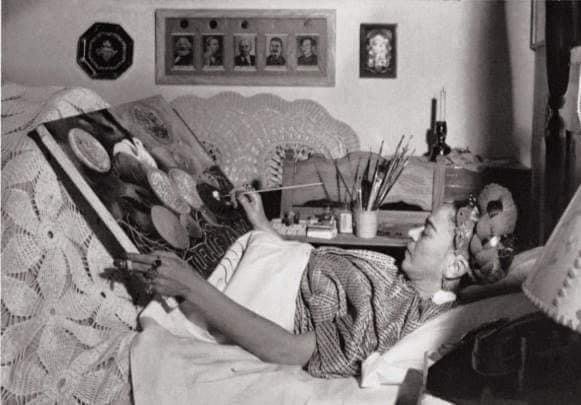
In 1942 she begins her famous diary where she registers her thoughts and pains, with illustrated and colored texts.
She declared in one of her thoughts in 1952 when she was bedridden:
"I'm not sick. I'm broken. But I feel happy to continue living while I can paint."
.Thetragedies in her life pursue her.
In July 1953, Frida had to undergo an amputation of her right leg up to the knee.
In her diary, she registers the occurrence with a drawing of her amputated leg with the phrase:
"Feet for what? If I have wings to fly."
Even fated to live with her visible and invisible scars, she portrayed her daily life with beauty, revealing her pains, fears, and also her loves and joys.
Her emotional seesaw between love, the consequences of the accident, and the consequences of this in her life; the intense pains she felt, the slow loss of movement, and having to inject morphine for relief from her torment, almost transformed her into a martyr.
The night before she died, she was very ill, with pneumonia.
Diego Rivera sat beside her bed until 2:30.
On that night, Frida gave him a ring that she had kept for 17 years, the time the couple was separated.
When he asked her why she was giving him this gift, she simply replied:
... Because I feel that I will leave you very soon ...
On July 13, 1954, having previously attempted suicide, Frida Kahlo, who had contracted a strong pneumonia, was found dead.
In her death certificate, it was registered as pulmonary embolism as the cause of death, but no one rules out that the true cause was an overdose of medications, which may have been accidental or not.
Frida left as her last note in her diary the phrase:
"I hope my departure is happy, and I hope I never come back."
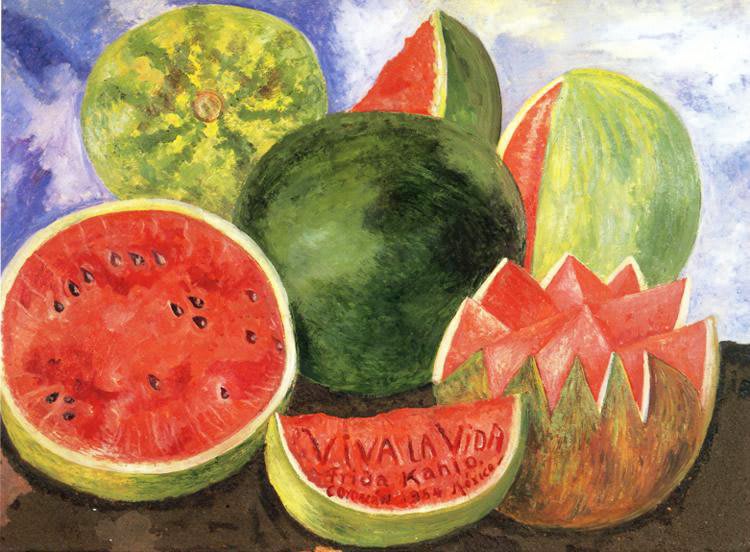
This is the last painting she completed, just eight days before she died.
Frida gave this title to celebrate life and mark her work in a sweet way, like the melon, the fruit she most appreciated.
The painting presents a juxtaposition of the red of the sliced melon and the dark half, the sky... half light.
Her ability to blend botanical detail with profound symbolism echoes the meticulous craftsmanship seen in the masters of the Northern Renaissance. Albrecht Dürer: Biography and Major Works
The last element of this painting was the inscription where we see in the foreground:
VIVA LA VIDA
Coyoacán 1954 Mexico
Frida and the flowers in her work ...
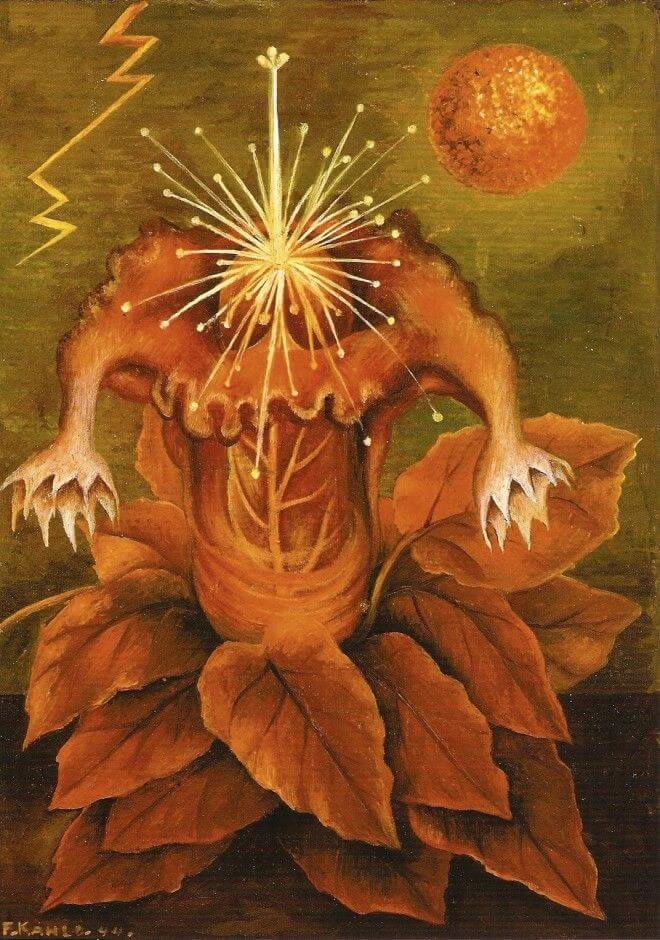
To Frida's eyes, flowers have a sexual indication and emotions.
We find sexual references in many of Frida's works, sometimes subtle and not so obvious as in this painting.
Here she paints a mandrake root bomb that resembles a human body;
she represented it with male and female sex organs.
As the sun, beyond the ability of any person to see, produces life, the sperm brooms of the stamen and the leaf-like vagina structure the uterus of petals that guarantees the creation of the baby.
To learn more about the artist and know other works, click: Frida Kahlo and her Self-Portraits


