
Impressionism: A Symphony of Forms and Sounds in Sculpture and Music
Impressionism: A Symphony of Forms and Sounds in Sculpture and Music
Sculpture was soon drawn into the fray, either for or against the 'modernism' movement. The great French sculptor Auguste Rodin (1840-1917) quickly became a master and enjoyed public fame as a great, if not greater, artist than any other of his time. However, even his works were subject to violent controversy among critics and were often considered alongside those of the rebellious Impressionists.
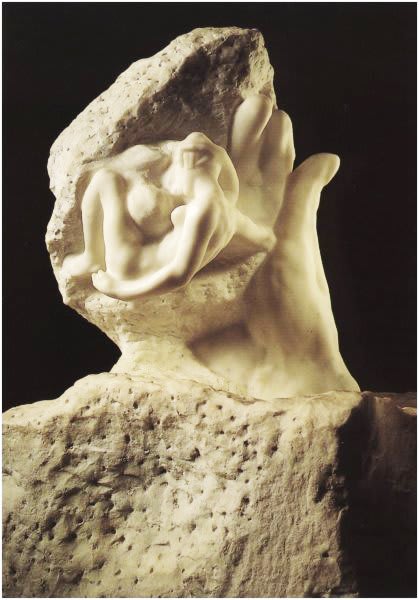
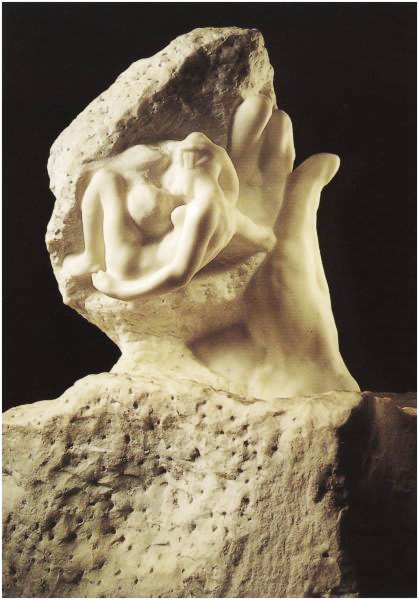
Rodin despised the external aspect of finishing. He preferred to leave something to the imagination of the viewer. At times, he even left part of the stone in its raw state, to give the impression that his figure was emerging and taking shape in that very moment, as in the sculpture "The Hand of God".
Rodin's influence helped to facilitate the acceptance of Impressionism outside the narrow circle of its admirers in France.
Curious about other movements that challenged artistic norms and embraced new forms of expression? Fauvism
IMPRESSIONIST MUSIC
Like its precursor in the visual arts, Impressionist music focused more on suggestion and atmosphere than on strong emotion or the illustration of history, as in program music. It emerged as a reaction to the excesses of the Romantic Era, while this period was characterized as an era of dramatic use of major and minor scales, Impressionist music tends to use more dissonance with less common scales, such as the hexatonic scale.
Romantic composers also used longer musical genres, such as the symphony and the concerto, while Impressionist composers preferred shorter forms.
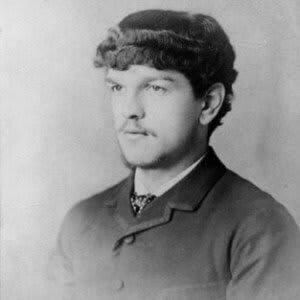
Claude-Achille Debussy - Born on August 22, 1862, and died on March 25, 1918. He was a French musician and composer. Debussy was an attentive observer and listener of nature. On several occasions, he spoke of how the sound of the sea, the wind in the leaves of the trees, or the birds became etched in his memory and then manifested in music.
Or, in the same way, the colors of the horizon line. In many of his work titles, Debussy does not hide the origin of his inspiration and the influence of literature, the visual arts, or the contemplation of nature. In his Preludes, the composer reaches the maximum expression of musical expression of all these extra-musical influences and what certain authors call the 'art of suggestion', or leading the listener to visualize the music through sonic impressions.

JOSEPH MAURICE RAVEL - French composer, born on March 7, 1875, and died on December 28, 1937. Considered the most classical of modern French composers, he presents in the early stages of his career the same artistic quality as his mature works.
He begins early with music studies and, at 14, starts attending the Paris Conservatory. His first performances, in 1898, do not please the critics. In 1891, he comes in second place in the Rome Prize composition contest, but is systematically precluded in the re-editions of the contest, even presenting works of recognized technical and artistic value.
Domination by conservatism, in 1905, the jury declares him ineligible. By style, harmony, and theme, he is often associated with the Impressionist Debussy, but differs from him by his attraction to abstract musical structures. He introduces revolutionary innovations in the art of orchestration.
He becomes famous with works for orchestra, such as Rapsody Spanish (1908) and the ballets Bolero (1928) and Daphnis and Chloe (1912).


