Joan Miró Biography and Works: The Eternal Legacy and the Gallery of Masterpieces
Joan Miró Biography and Works: The Eternal Legacy and the Gallery of Masterpieces
The genius dedicated his soul to painting the ceiling of the most famous chapel in the world.
Surprisingly, he took more than 4 years working in almost suffocating conditions.
Joan Miró and Surrealism
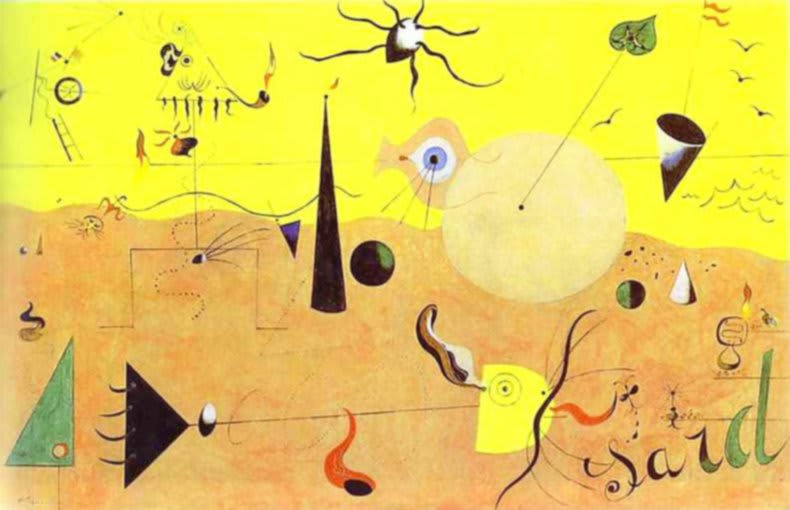
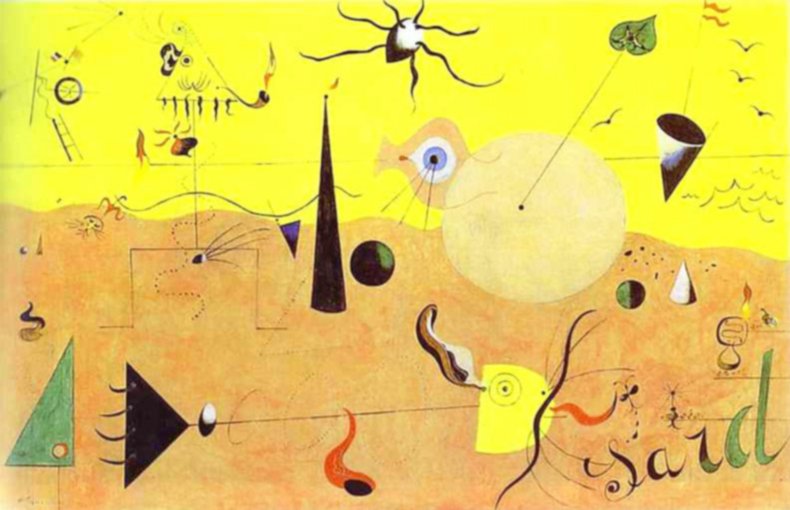
Lines and colors, blacks and whites facing each other or to the side or below and above. But nothing is accidental in the surrealism of Catalan Joan Miró.
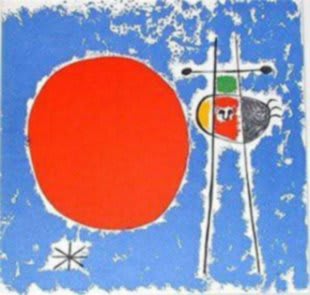
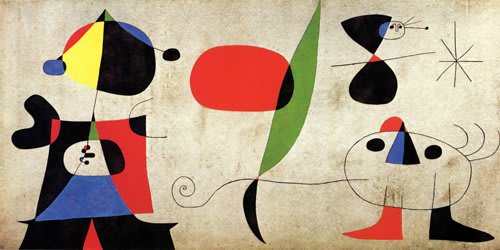
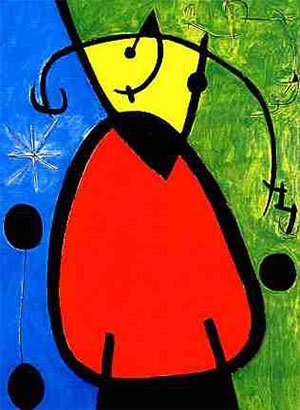
He has a distinct work from all other surrealists, in his forms and colors of return to childhood.
He uses various symbols and signs, such as stars, animals, plants, which constitute a kind of strange passage from the world of dreams and imagination.
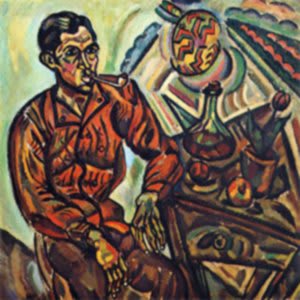
This portrait was painted when Miró was only 24 years old, he had already experimented with Cubism and Fauvism, but had not yet defined his style.
It is part of one of his first artistic productions, a period in which he received influence from the post-impressionists Van Gogh and Cézanne.
The psychological depth and raw energy of the brushstrokes in this period mirror the intensity found in the Dutch master's intimate studies: Van Gogh's Self-Portraits
The Influences of Miró
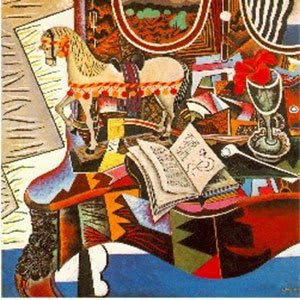
Horse, Pipe and Red Flower we perceive the influence by contact with the Dadaists.
This spirit of non-conformity and the radical shift toward the subconscious was shared by many key figures of the European avant-garde: Max Ernst: Early Years and the Dadaist Revolution
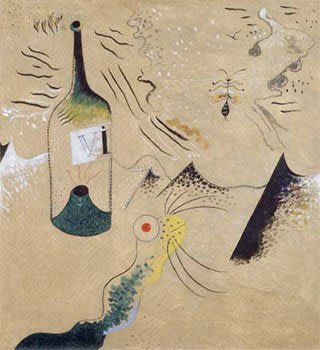
The wine bottle reflects the importance of the surrealists placed on the subconscious and offers an idea of the potential application for art techniques automatic group based on imagination and free association.
Miró was an artist who was not easy to photograph while working during his creative process.
The majority of the photographs we know of him are by Joaquim Gomis (1902-1991), a Catalan photographer and also a great friend of the artist.
The Evolution of Miró
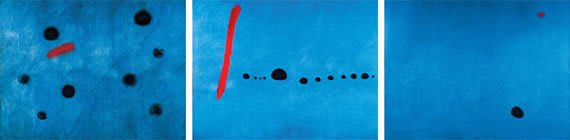
The three large-format paintings are part of a series of triptychs that he painted at the beginning of the 60s in his new studio in Mallorca.
In 1961, after three trips to the United States, Miró began to purify even more the deepening of his previous discoveries.
This development was announced by Blue I, II, III.
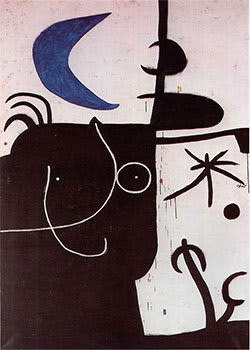
The last years of Miró's artistic career were characterized by an abundant use of black and a loose way of applying paint to the canvas, resulting in much dripping and splashing.
The shift toward a more visceral and physical application of paint highlights a fascinating bridge between European surrealism and American action painting: Biography of Jackson Pollock: From Childhood to Artistic Legacy
The immediacy of his best paintings remains unmatched.
The primary themes he pursued - earth, sky, human figure transformed - and the means he used to express them - simple compositional, secure brushstrokes, mainly primary colors - established one of the most important bodies of work in the 20th-century art.
At the end of his life, Miró reduced the elements of his artistic language to points, lines, some symbols, and reduced the color, using mainly white and black.