
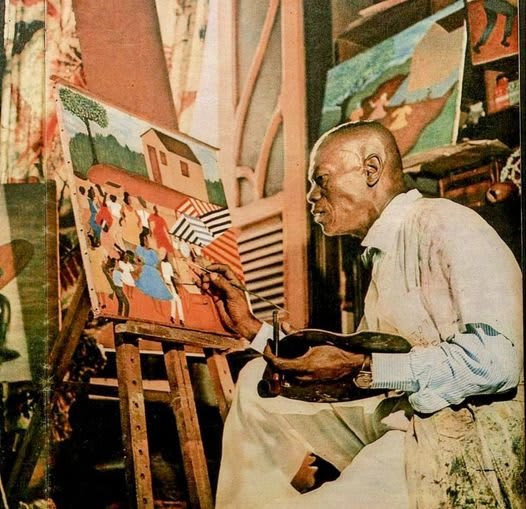
Heitor dos Prazeres: A Multifaceted Artist
Discover the life and work of Heitor dos Prazeres, a Brazilian composer, singer, designer, and visual artist.
Article Index
As a multidisciplinary artist, Heitor dos Prazeres was a composer, singer, designer, and visual artist from Brazil, considered one of the best primitivist painters in the country.
As a composer, he wrote classic sambas and was one of the creators of the Cariooca movement of samba schools, founding several of them.
He was a pioneer of samba, part of the first samba schools in Brazil, innovating sounds now synonymous with the region.
Interestingly, he is probably best known today for his paintings, but this phase of his career occurred much later in his life.
BIOGRAPHY
Heitor dos Prazeres was born in Rio de Janeiro on September 23, 1898, in a family with a great love for music, surrounded by artists and instruments.
His father was a clarinetist in the National Guard band, and his uncle, Hilário Jovino Ferreira, was part of the first generation of urban samba musicians.
Before his premature death, his father taught him to play the clarinet in various rhythms such as polkas, waltzes, choros, and marches, opening his son's mind to composition possibilities.
Music was very present in the introduction of the young man to the Rio artistic scene.
His uncle Hilário gave him his first cavaquinho, a small Portuguese string instrument from the European guitar family, which he quickly mastered.
Heitor began to play at candomblé religious gatherings in houses where other experienced musicians performed African rhythms like jongo, lundu, cateretê, and samba.
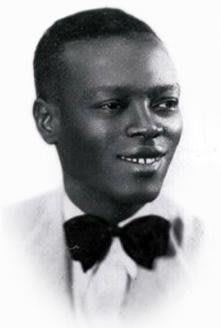
In the 1930s, after a tumultuous adolescence that included two months in the Colônia Correcional Dois Rios on Ilha Grande, Heitor formed the Grupo Carioca and became a rhythmist at Rádio Nacional, also regularly performing at Cassino da Urca, a Rio nightclub that operated in the city while gambling was prohibited.
At Cassino da Urca, he played and sang with Grande Otelo and Josephine Backer.
He then met filmmaker Orson Welles, with whom he worked as a casting director.
In 1931, he married Dona Gloria, with whom he had three daughters, Ivete, Iriete, and Ionete Maria.
In the same year, he left the samba schools and joined Rádio Educadora, followed by Rádios Sociedade, Clube, and Philips, where he performed in the famous Programa Casé.
He formed a female choir to accompany him and performed under the name Heitor and His People.
His most popular songs include: "Cantar para não Chorar", composed with Paulo Portela; "Carioca Boêmio", "Consideração", composed with Cartola; and "Pierrot Apaixonado", composed with Noel Rosa.
In 1936, the death of his wife led to a significant change in his creative production.
It was during this period that he began to focus on visual arts, particularly painting.
His friends, including art critic Carlos Cavalcante, painter Augusto Rodrigues, and writer Carlos Drummond de Andrade, enthusiastically encouraged him.
Along with painting, he made percussion instruments and designed costumes, accessories, and sets for various performances.
Playing a seminal role in a larger movement, his rich and prolific contribution to the arts helped consolidate the area's reputation as one of the most vibrant spaces in the world of creativity.
One year after his first foray into painting, the artist began to share his work through public exhibitions.
GALLERY - COMMENTED ART
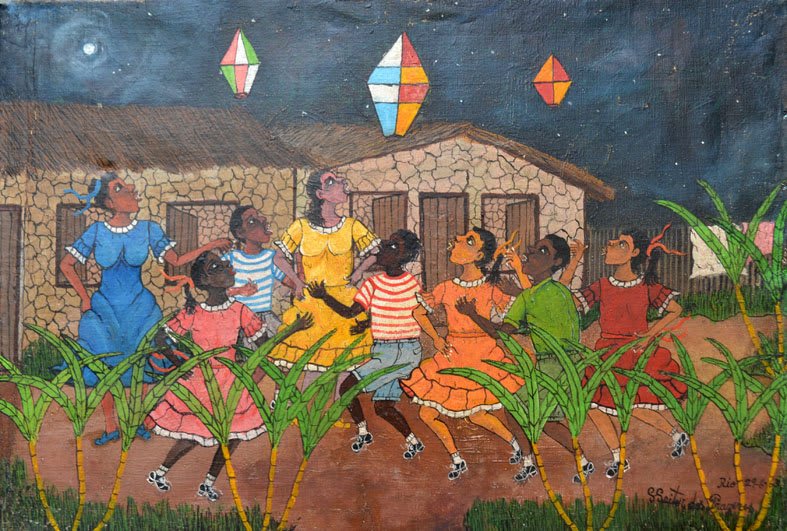
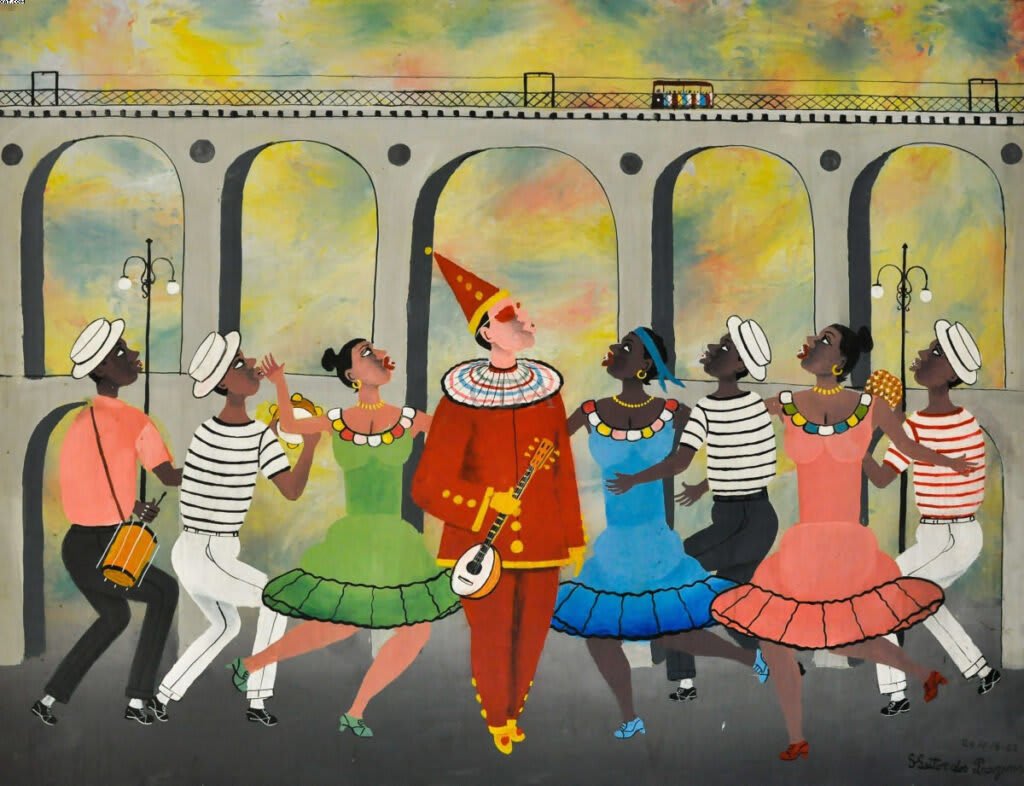
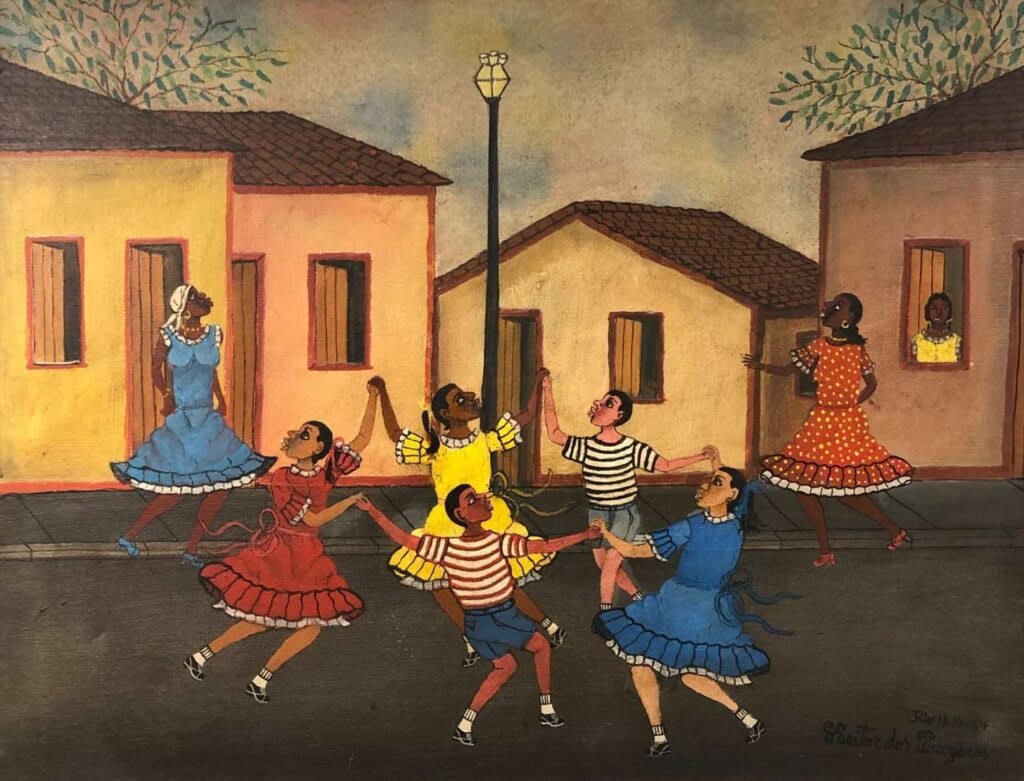
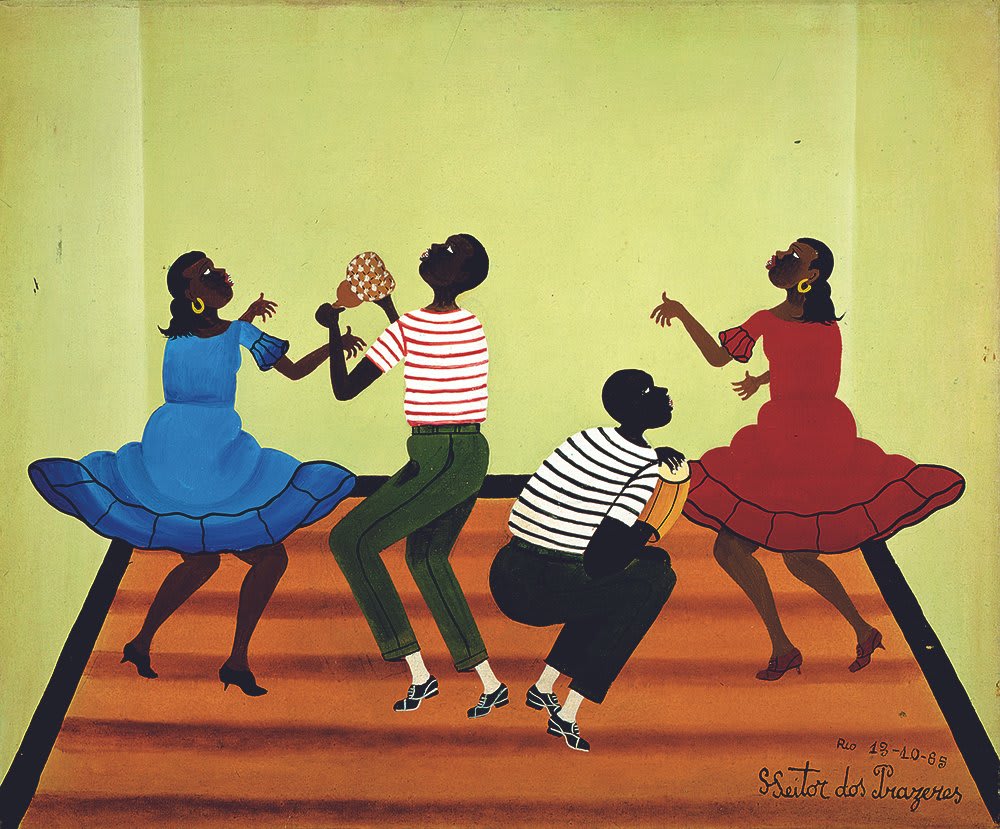
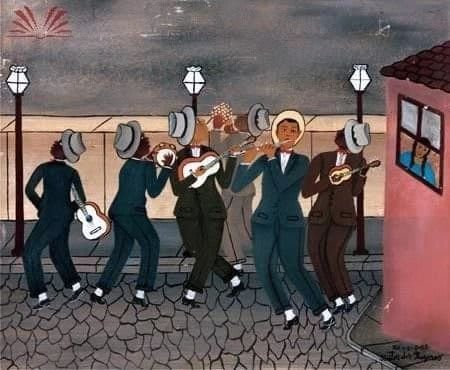
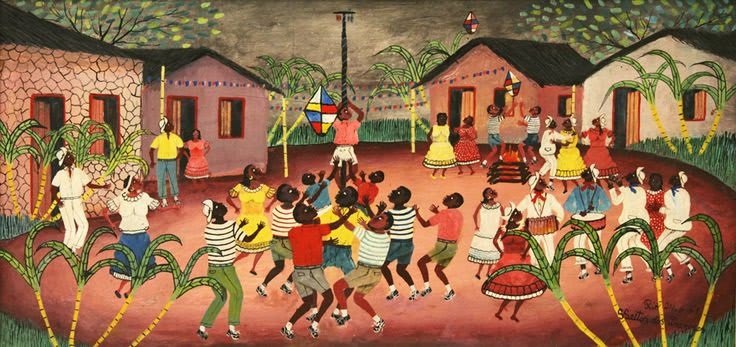
His paintings explore themes related to Brazilian popular culture, depicting and celebrating the traditions and daily life of black urban populations in Brazil.
Recurring subjects in his work include representations of samba musicians and dancers, carnival festivities, and life in favelas, as well as scenes from the religious traditions in which he grew up, such as candomblé and umbanda.
They effectively convey a visceral sense of depth, his paintings articulately capturing charged moments in time.
Individuals he knew and respected inspired some of the recurring characters that populate his work, coming from the bustling neighborhood situated between Cidade Nova and Cais do Porto in Rio, known as “Pequena África”.
Self-portraits of the artist appear in several of his paintings.
Through dynamic and nuanced representations, with great attention to details like clothing, jewelry, and facial expressions, the artist works with central figures, often marginalized by society at large in Brazil.
He died at 68 on October 4, 1966, in Rio de Janeiro.


