
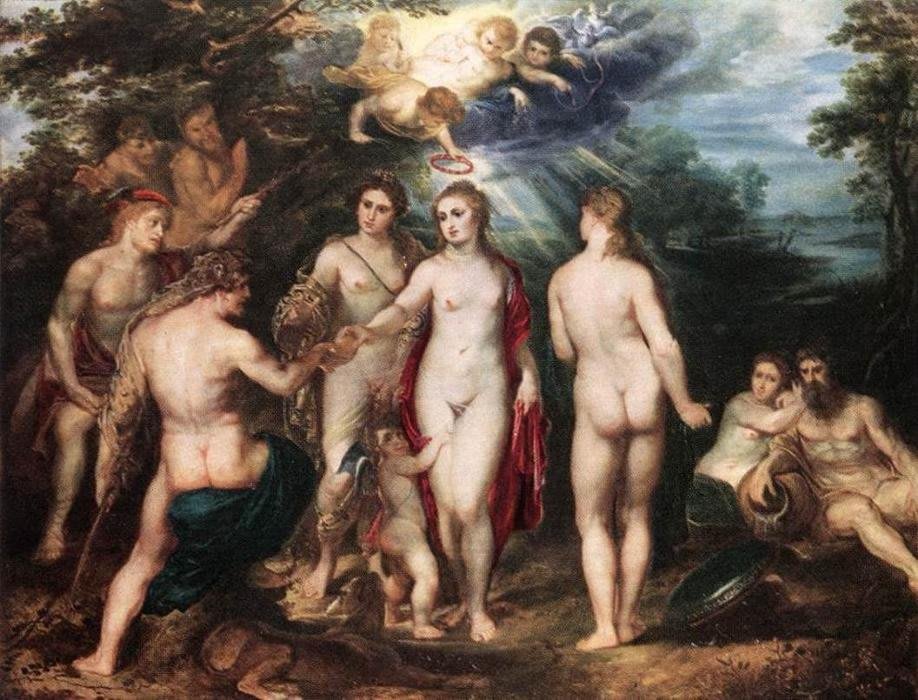
The Baroque Style: The Grandeur of Painting and Its Masters
The Baroque Style: The Grandeur of Painting and Its Masters
In general, Baroque painting was a reflection of the profound political and cultural changes emerging in Europe.
It coincided, in general, with the 17th century, although in some areas - primarily in Germany - some of its achievements did not occur until the 18th century.
Although the term involved a bewildering variety of styles, it was typically characterized by two things: a sense of grandeur (or sensual richness), as well as a manifest emotional content.
It was through these two elements that Baroque painters sought to evoke emotional states in the viewer, appealing to the senses, usually in dramatic ways.
Why did they captivate the audience in this way?
Because life in 17th-century Europe suddenly became a competition between two powerful forces.
The use of the chiaroscuro technique is a well-known characteristic of Baroque art.
This technique refers to the interaction between light and darkness and is often used in paintings of poorly lit scenes to produce a dramatic atmosphere of high contrast.
Caravaggio is considered the precursor of the movement and is known for his work characterized by dramatization in the notorious action of the characters in his work.
Light: the main feature of Baroque painting
Naturally, painting was not confined to the walls of buildings.
There was also, and indeed especially, a tradition of painting on canvas, and, as in architecture, the characteristics of the various national schools differed greatly.
They had a common concern: the study of light and its effects.
Despite the great divergences between the works of various artists of the Baroque period - divergences so great that many art critics are not prepared to designate their works with a single common adjective - the thematic use of light and shadow in the construction of any significant work was, to a greater or lesser extent, common to all, in that it is the main feature and unifying pictorial motif of the era.
Main painters: Peter Paul Rubens, Diego Velázquez, Johannes Veermer, Rembrandt van Rijn, and Georges de La Tour
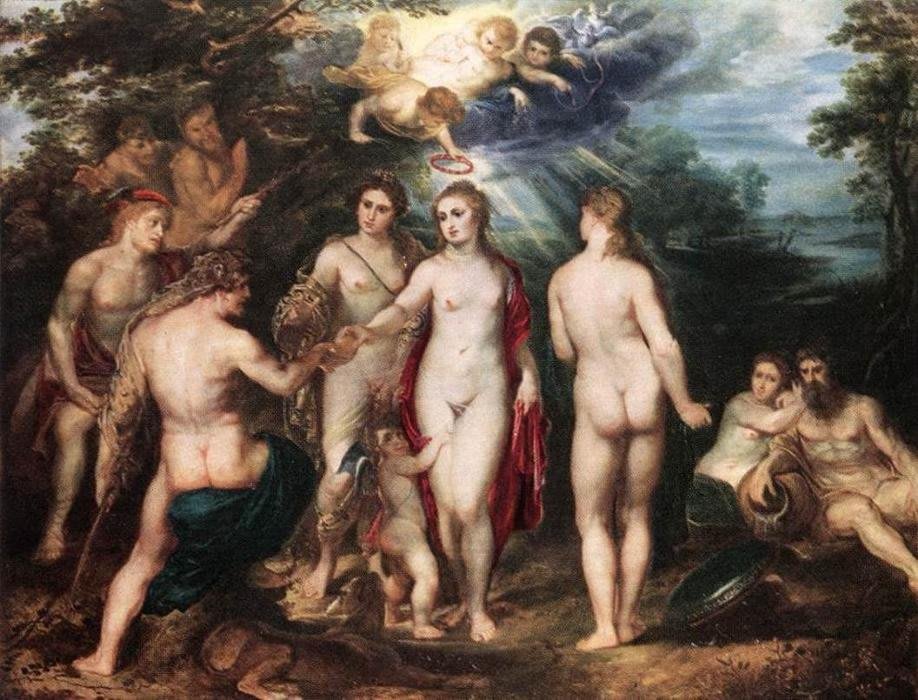
- Peter Paul Rubens
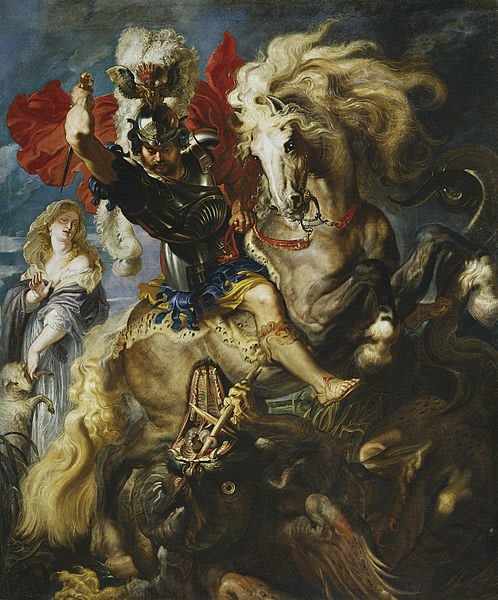
Saint George and the Dragon - According to legend, Saint George killed the dragon that terrorized the people of Silene, saving a princess who was in danger.
In this painting, the Christian hero rides a white horse and, with his sword, fights against the monster trying to free itself from the lance stuck in its jaws.
Behind them, to the side, is the princess with a lamb, who observes everything with relief.
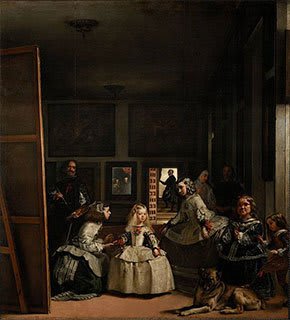
2. Diego Velázquez - Click here and learn more about "The Maids"
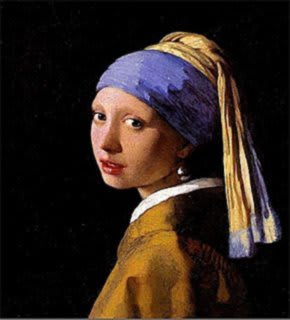
3. Johannes Veermer - Click here and learn more about Girl with a Pearl Earring
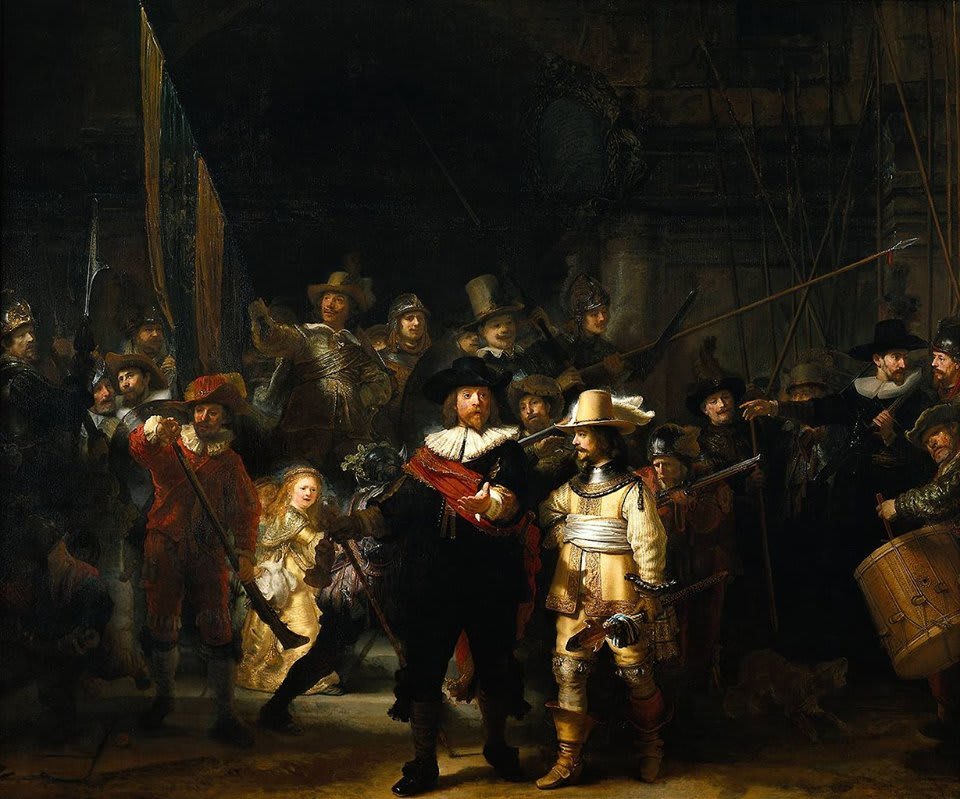
4. The Night Watch. Click here and learn more about Rembrandt's masterpiece
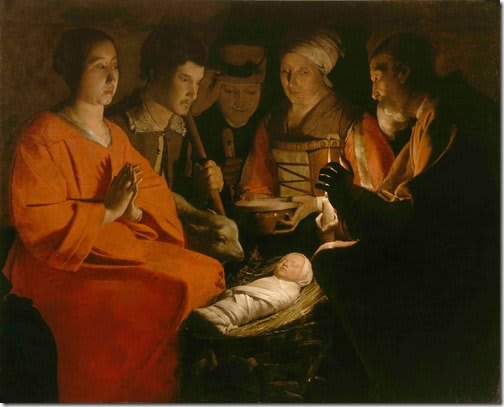
5. The Adoration of the Shepherds. Georges de La Tour. c. 1645
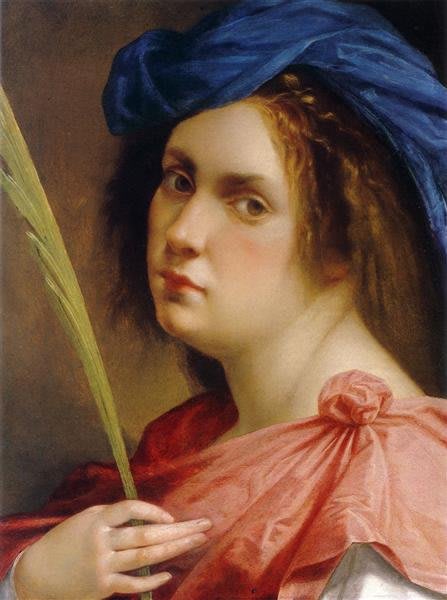
We highlight the Italian artist, Artemisia Gentileschi, known for being a great exception in the history of art, for being a successful woman in painting, in an era when art was dominated by men.
SCULPTURE
To understand the rest of this journey, continue to our next article: The Baroque Style: Sculpture, Architecture, and Heritage in Brazil.


