
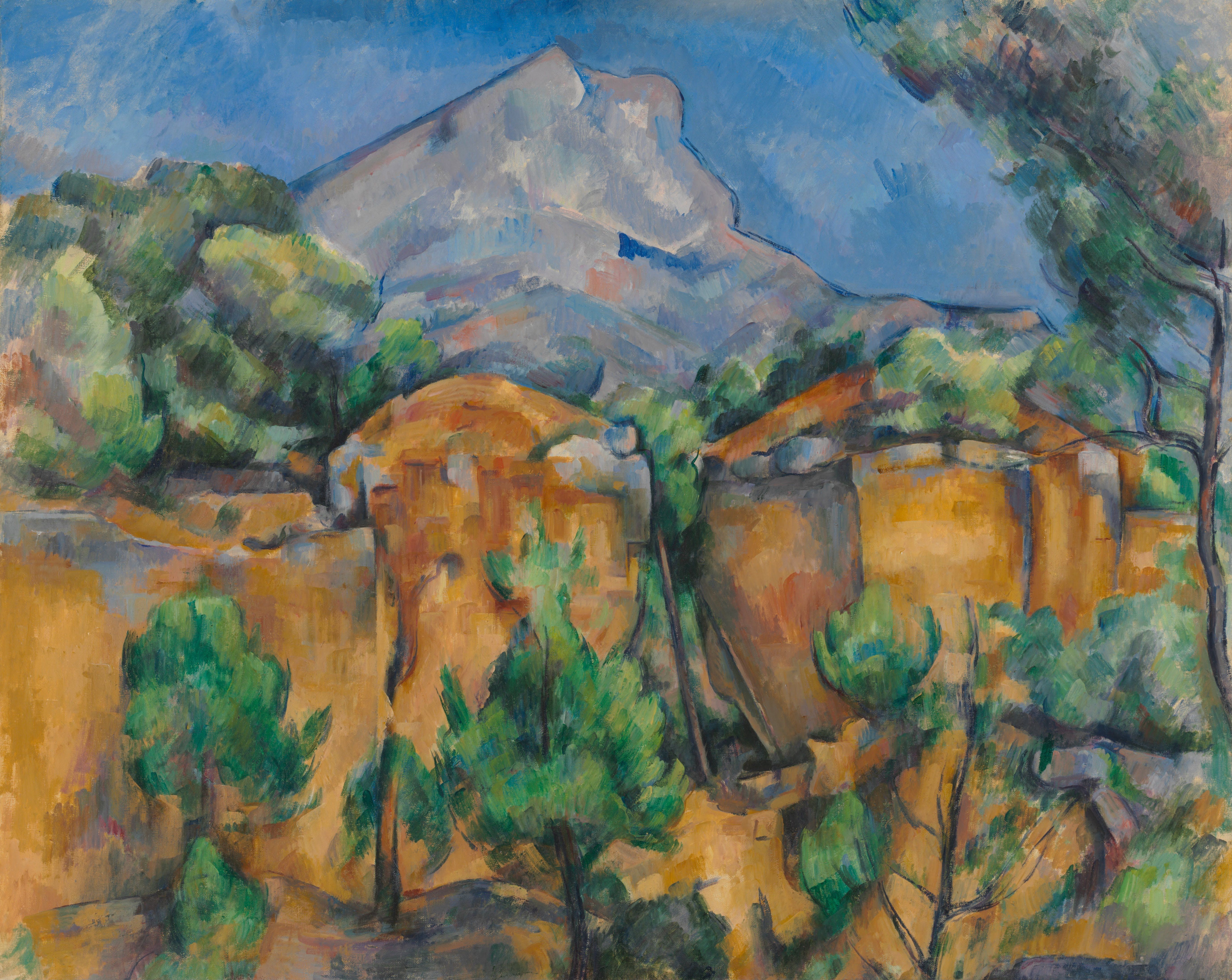
Paul Cézanne: Life, Legacy, and the Path to Artistic Innovation (Part 1)
Paul Cézanne: Life, Legacy, and the Path to Artistic Innovation (Part 1)
I invite you to delve into the life and work of Paul Cézanne, one of the most important post-impressionist painters.
Cézanne's biography is marked by an unrelenting search for form and color, which revolutionized 19th-century art.
His artistic journey was filled with challenges and self-discovery, reflected in a singular and innovative body of work.
As you learn more about Paul Cézanne's life, you will discover not only a talented artist but also a visionary whose work influenced generations of artists and forever changed the course of art history.
Paul Cézanne was a significant French painter who greatly contributed to the development of modern and contemporary art.
Considered the precursor to cubism, he influenced artists such as Pablo Picasso and Henri Matisse.
He belonged to the Impressionism, but had his own style, making him a post-impressionist artist.
He was a man out of his time.
Social events, the Franco-Prussian War in 1870, the turmoil that followed the conflict, and even what was happening in his own family, nothing affected the priority of his life: painting.
BIOGRAPHY of Paul Cézanne
Cézanne was born into a middle-class family in Aix-en-Provence, France, on January 19, 1839.
His father, Lois-Auguste Cézanne, was a hat merchant who made a fortune by buying a bank that went bankrupt after the 1848 revolution.
His mother, Anne-Elisabeth Honorine Aubert, was an employee of his father's hat shop.
Cézanne and his sister Marie were born before their parents' marriage was consummated, which only happened in 1844.
Ten years later, their mother gave birth to another daughter, Rose.
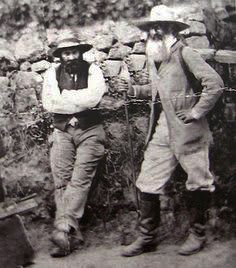
The painter's relationship with his family was never very good.
In a letter to his friend and fellow painter Camille Pissarro, he said that his family had the worst people in the world, and that he was bored beyond measure.
In 1852, he entered the College Bourbon and there met the future writer Émile Zola and Jean-Baptiste Baille, who would become an engineer.
The trio's activities alternated between hunting, fishing, and literature.
They even exchanged poetry.
The painter, who was a brilliant student and showed interest in classical languages, composed in Latin.
But poetry was just a pastime for him.
His father had already dreamed of a career in law for his son and thought of hiring him in his bank when he finished his studies, but Cézanne stayed only two years in college.
He abandoned it to dedicate himself to art.
Despite his father's disapproval, his mother satisfied the young man's dreams of becoming an artist.
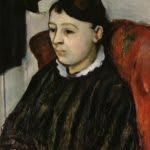
Cézanne, however, rarely asked his mother to pose for him and, as far as is known, only drew her once while she was sleeping.
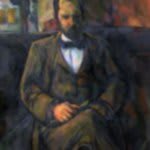
On the other hand, and paradoxically, he painted his father many times.
They even exchanged poetry.
He pursued this unique vocation without being swayed by contingencies of politics, metaphysics, or love.
There was never a woman of importance in his life, apart from his mother and his wife, Hortense Fiquet, whom he married after she gave birth to their son, Paul.
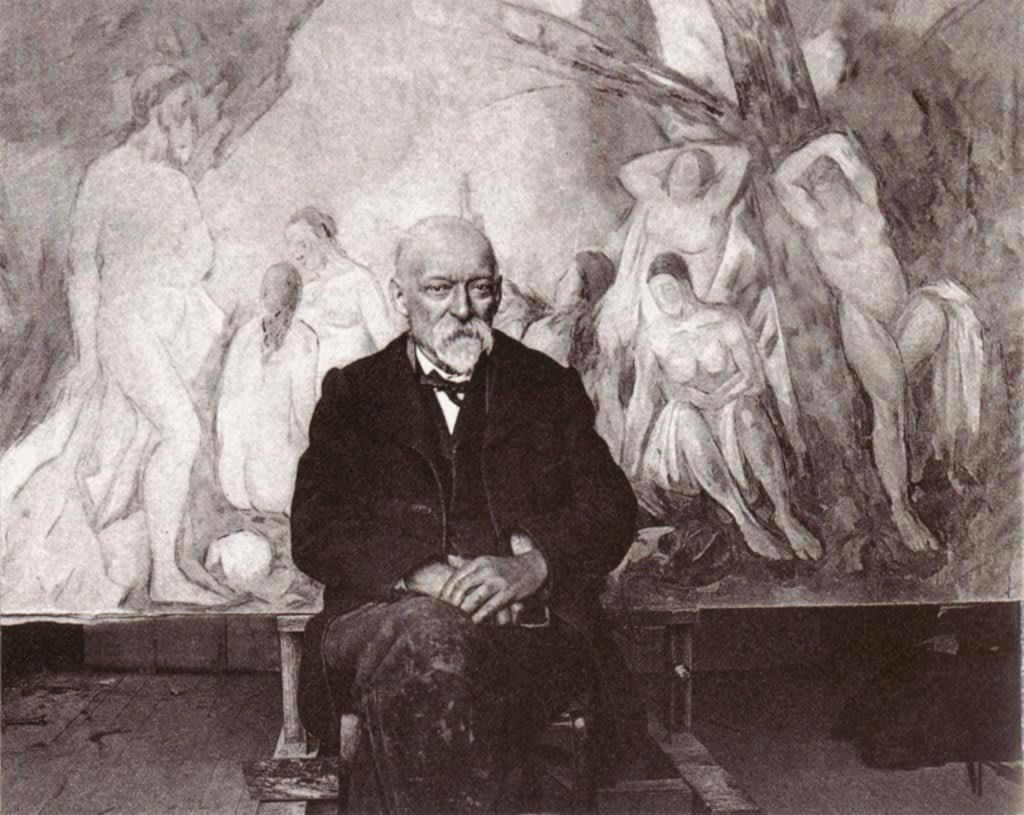
It was in his hometown that he died on October 23, 1906, a victim of a pulmonary infection contracted after a autumn storm caught him while painting outdoors.
The artist did not feel at ease in his time and had much more recognition in the following generation of artists.
Critics and the public considered him a cursed man, and Cézanne only had recognition a long time after he died.
His painting was not understood in his lifetime, but it was loved by the modernists, especially the cubists, such as Pablo Picasso, who saw in his strokes the simplicity and freedom of artistic expression.
Rejected several times in Parisian exhibitions, the artist only had his first solo exhibition in 1895, at the age of 56, thanks to the efforts of some impressionist friends, such as Claude Monet and Camille Pissarro, and the good will of the dealer Ambroise Vollard.
From then on, everyone bent to him, who continued to represent his own world.
In the process of creating his works, he always started with the use of colors to reach the geometric construction of nature, based on the cylinder, the sphere, and the cone, arranged in perspective.
In abstraction and realism, he was identified with a more modern conception of art: the recreation of form and space and the relationship between color and line are some of the striking factors in the work of this great artist.
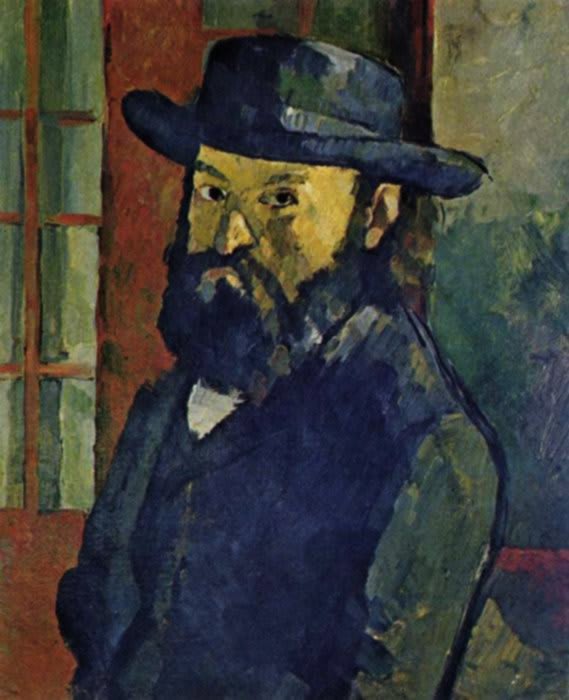
"I want to know, to feel better; and feel, to know better."
COMMENTED ART
The Village of Médan
To understand the rest of this journey, continue to our next article: Paul Cézanne: Masterpieces and the Post-Impressionist Revolution (Part 2).


